Most Important Transport Documents Explained
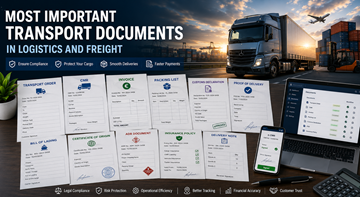
In this complete guide, we explain the most important transport documents used in European and international logistics, what they contain, why they are important, and how they work together during the transport process.
Why Are Transport Documents Important?
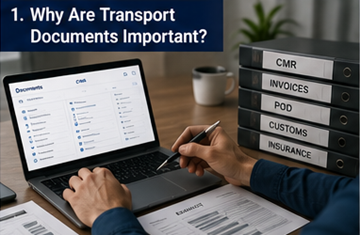
Transport documents are essential for the movement of goods in logistics and freight operations. They help carriers, customers, customs authorities, warehouses, and drivers manage shipments safely and legally.
- Provide legal proof of transport
- Support customs and border procedures
- Confirm shipment ownership and delivery
- Help process invoices and payments
- Improve shipment transparency and tracking
CMR Document
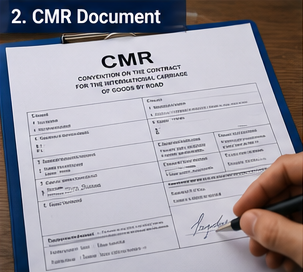
The CMR document is one of the most important transport documents in European road freight. It serves as proof of the transport agreement between sender, carrier, and receiver.
- Used for international road transport
- Contains shipment and route information
- Signed by sender, carrier, and receiver
- Acts as proof of delivery
- Required in many cross-border shipments
The CMR document helps standardize international road transport across Europe and provides legal clarity between all parties involved in the shipment process. It is one of the most recognized logistics documents in the transport industry.
e-CMR (Electronic CMR)
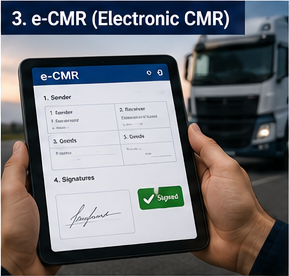
e-CMR is the digital version of the traditional CMR document. It allows transport companies to create, sign, and manage transport documentation electronically.
- Digital document workflow
- Electronic signatures
- Real-time updates and tracking
- Reduced paperwork
- Improved transport efficiency
e-CMR solutions are becoming increasingly popular because they reduce paperwork, speed up delivery confirmation, and improve communication between customers, carriers, and drivers in real time.
Transport Invoice
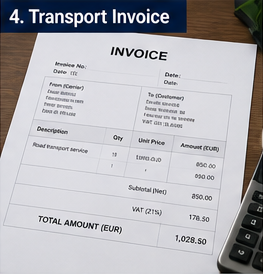
A transport invoice is issued by the carrier to request payment for transport services. It includes freight costs, VAT details, and payment conditions.
- Official payment request
- Used for VAT and accounting
- Includes service and pricing details
- Connected to completed transport orders
- Important for financial reporting
Transport invoices are essential for financial transparency in logistics operations. They help companies manage payments, VAT compliance, accounting records, and customer billing more efficiently.
Proforma Invoice
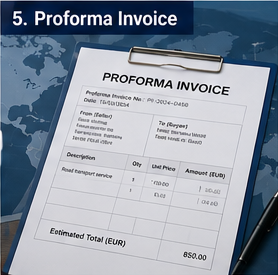
A proforma invoice is a preliminary document that provides estimated shipment costs before the final invoice is issued.
- Used before transport begins
- Provides estimated pricing
- Common in international trade
- Helps customs and export procedures
- Not a final payment request
Proforma invoices are especially useful during transport negotiations and international trade because they allow customers to review estimated shipment costs before confirming the transport order.
Packing List
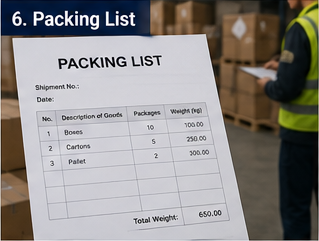
A packing list describes the contents of a shipment, including quantities, packaging types, weight, and dimensions.
- Helps identify shipment contents
- Used by warehouses and customs
- Supports loading and unloading
- Improves shipment accuracy
- Often attached to export shipments
Packing lists improve warehouse efficiency and shipment accuracy by clearly identifying the cargo inside the shipment. They are especially important for customs inspections and international exports.
Bill of Lading (B/L)
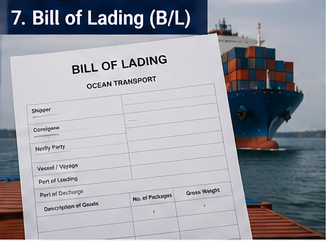
The Bill of Lading is an important document used mainly in sea freight. It acts as proof of shipment ownership and transport agreement.
- Common in ocean freight
- Confirms cargo ownership
- Issued by shipping carrier
- Used in international trade
- Required for cargo release
The Bill of Lading plays a major role in global shipping and international trade because it confirms cargo ownership and allows goods to be released at the destination port.
Proof of Delivery (POD)
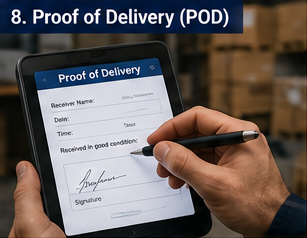
Proof of Delivery confirms that goods were successfully delivered to the receiver. It is often connected to signed CMR documents or digital delivery confirmation systems.
- Confirms successful delivery
- Includes receiver signature
- Used to resolve disputes
- Supports invoicing process
- Can be digital or paper-based
Proof of Delivery documents help prevent disputes between customers and carriers by providing confirmation that the shipment arrived successfully and was accepted by the receiver.
Customs Documents
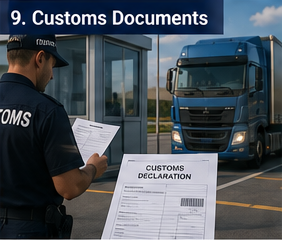
Customs documents are required for international shipments moving across customs borders. They provide information about goods, value, origin, and taxes.
- Required for import and export
- Used by customs authorities
- Include declarations and certificates
- Support tax and duty calculations
- Essential for cross-border transport
Customs documents are critical for international trade because they ensure that goods comply with import and export regulations, taxes, and border security procedures.
Certificate of Origin

A Certificate of Origin confirms the country where the goods were manufactured or produced. It is often required for customs procedures and international trade agreements.
- Identifies country of origin
- Supports customs clearance
- Used in international trade
- Required for some tariffs and agreements
- Issued by authorized organizations
Certificates of Origin are commonly required in international trade agreements because they help determine tariffs, customs duties, and trade compliance between countries.
ADR Transport Document
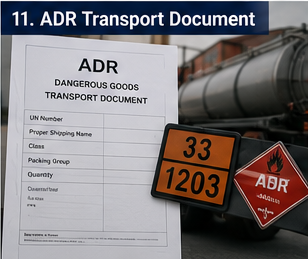
ADR documents are required for the transport of dangerous goods such as chemicals, fuel, gases, and batteries.
- Required for hazardous cargo
- Includes UN numbers and hazard classes
- Supports emergency response
- Required by ADR regulations
- Used in dangerous goods transport
ADR transport documents are extremely important for safety because they provide emergency responders and authorities with information about hazardous materials during transport.
Delivery Note
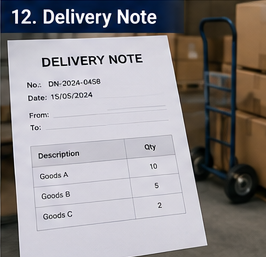
A delivery note accompanies goods during transport and confirms what items are included in the shipment.
- Describes delivered goods
- Supports warehouse operations
- Helps receiver verify shipment
- Can be signed upon delivery
- Often linked with invoices
Delivery notes improve shipment verification during loading and unloading operations and help customers confirm that all expected goods were delivered correctly.
Freight and Vehicle Insurance Documents
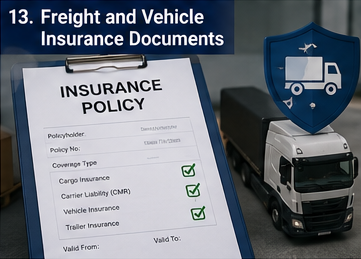
Insurance documents are extremely important in transport and logistics because they protect carriers, drivers, customers, vehicles, and cargo against financial losses caused by accidents, theft, damage, delays, or liability claims.
Different types of insurance may apply depending on the shipment type, transport method, cargo value, and legal responsibilities of the carrier.
- Cargo insurance for transported goods
- Carrier liability insurance (CMR insurance)
- Truck and vehicle insurance
- Trailer and fleet insurance
- International transport liability coverage
- Accident and damage protection
Insurance documents are often requested during disputes, customs procedures, accident investigations, or claims related to damaged or lost goods. In international road freight, CMR liability insurance is especially important because it protects carriers against compensation claims under the CMR Convention.
Transport Order
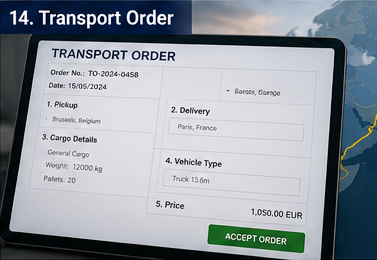
A transport order is a document or digital request that contains instructions for transporting goods from one location to another. It is usually created by the customer, freight forwarder, or logistics platform before the transport begins.
The transport order defines the shipment details, pickup and delivery locations, cargo type, vehicle requirements, pricing conditions, and delivery instructions. It acts as the operational foundation of the transport process.
- Pickup and delivery addresses
- Shipment description and weight
- Vehicle type requirements
- Delivery deadlines and instructions
- Transport pricing and conditions
- Carrier and driver assignment
Modern logistics platforms like ExusTrans use digital transport orders connected with chat, tracking, offers, invoices, e-CMR documents, and proof of delivery systems. This allows all parties to manage transport operations in real time from one centralized platform.
How Transport Documents Work Together
In modern logistics, multiple documents work together throughout the shipment process.
- Customer creates transport request
- Carrier prepares quotation or proforma invoice
- CMR and shipment documents are generated
- Customs documents are prepared if required
- Goods are transported
- Receiver signs proof of delivery
- Final invoice is issued
- Receipt confirms payment
Digitalization of Transport Documents
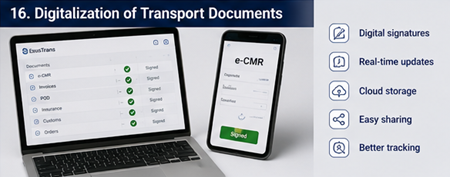
The logistics industry is increasingly moving toward digital transport documentation systems such as e-CMR and online invoicing platforms.
- Faster document processing
- Real-time document sharing
- Digital signatures and storage
- Reduced paperwork
- Improved transparency and tracking
FAQ: Transport Documents Explained
Which transport document is most important?
The CMR document is one of the most important documents in European road transport because it confirms the transport agreement and delivery process.
What is the difference between CMR and invoice?
The CMR document confirms the transport operation, while the invoice requests payment for the service.
Are digital transport documents legally valid?
Yes, many digital documents such as e-CMR are legally recognized in several European countries.
Do customs documents apply to all shipments?
No. Customs documents are mainly required for international shipments crossing customs borders.
Why are packing lists important?
Packing lists help identify shipment contents and improve loading, customs, and warehouse accuracy.
Can transport documents be managed online?
Yes. Modern logistics platforms allow transport documents to be created, shared, signed, and stored digitally.
What is CMR insurance?
CMR insurance is carrier liability insurance used in international road transport. It protects carriers against compensation claims if goods are damaged, lost, or delayed during transport under the CMR Convention.
Is cargo insurance mandatory?
Cargo insurance is not always legally mandatory, but it is strongly recommended, especially for valuable or sensitive shipments.
What is the difference between cargo insurance and carrier liability insurance?
Cargo insurance protects the value of the goods themselves, while carrier liability insurance protects the carrier against legal liability claims.
Does vehicle insurance cover transported goods?
No. Standard truck or vehicle insurance usually covers the vehicle itself, not the cargo being transported.
When are insurance documents required?
Insurance documents may be required during customs checks, accidents, cargo damage claims, or when customers request proof of insurance coverage.
Who creates the transport order?
Transport orders are usually created by customers, freight forwarders, logistics coordinators, or transport platforms before the shipment begins.
Is a transport order legally binding?
In many cases, yes. Once accepted by the carrier, the transport order may act as a contractual agreement between the parties.
What happens after a transport order is accepted?
After acceptance, the carrier or driver is assigned, transport documents are prepared, and the shipment process begins.
eXus Dev